How to Spot AI-Generated Images, Video and Voice Clones
How to spot deepfakes and AI-generated media: visual tells in images and video, signs of voice clones, verification tools and how to protect yourself.

Why AI writing detectors are unreliable, how false positives harm students and writers, what the research says, and better ways to verify authorship.
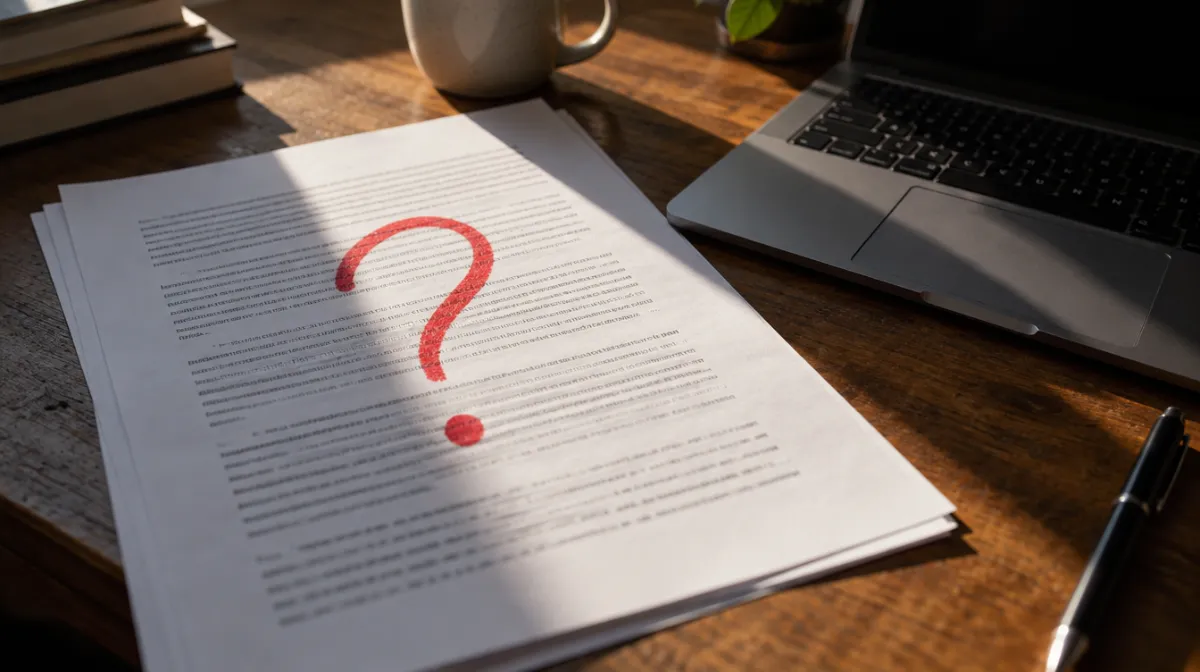
Teachers, editors and employers understandably want to know whether a piece of writing was produced by AI, and job seekers wonder the same about applications (see AI for job search). Detection tools promise an answer. The problem is that they are not reliable enough to base serious decisions on.
Most detectors look for statistical patterns, such as how predictable each word is given the words before it. AI-generated text tends to be more predictable; human writing tends to vary more.
Even developers of AI models have withdrawn their own detection tools because of low accuracy.
A false accusation can damage a student’s record or a writer’s reputation. Students can find advice on using AI honestly in our guide to AI for students. Treat a detector score as, at most, a prompt for a conversation, never as proof.
If you’re worried about being wrongly flagged, keep drafts and notes, use version history and be open about how you used AI tools.
For synthetic images, video and voice, detection is also unreliable; see our guide to spotting deepfakes for source-based checks that work better.
No. They estimate likelihood and can be wrong in both directions.
Clear, simple or formulaic writing can resemble AI-generated text statistically. Keep drafts to show your process.
Not from the text alone. Process evidence, such as drafts and discussion, is far more reliable.

Every article is edited by a human and checked against our editorial policy. Spotted a mistake? Tell us.
How to spot deepfakes and AI-generated media: visual tells in images and video, signs of voice clones, verification tools and how to protect yourself.
How AI voice cloning works, how scammers use cloned voices in fake emergency calls, the warning signs, and steps like family safe words to protect yourself.
How AI video generators work, what they can and can’t do, prompt tips for better clips, costs, and the rules on consent, copyright and labelling.