How to Spot AI-Generated Images, Video and Voice Clones
How to spot deepfakes and AI-generated media: visual tells in images and video, signs of voice clones, verification tools and how to protect yourself.

How AI voice cloning works, how scammers use cloned voices in fake emergency calls, the warning signs, and steps like family safe words to protect yourself.
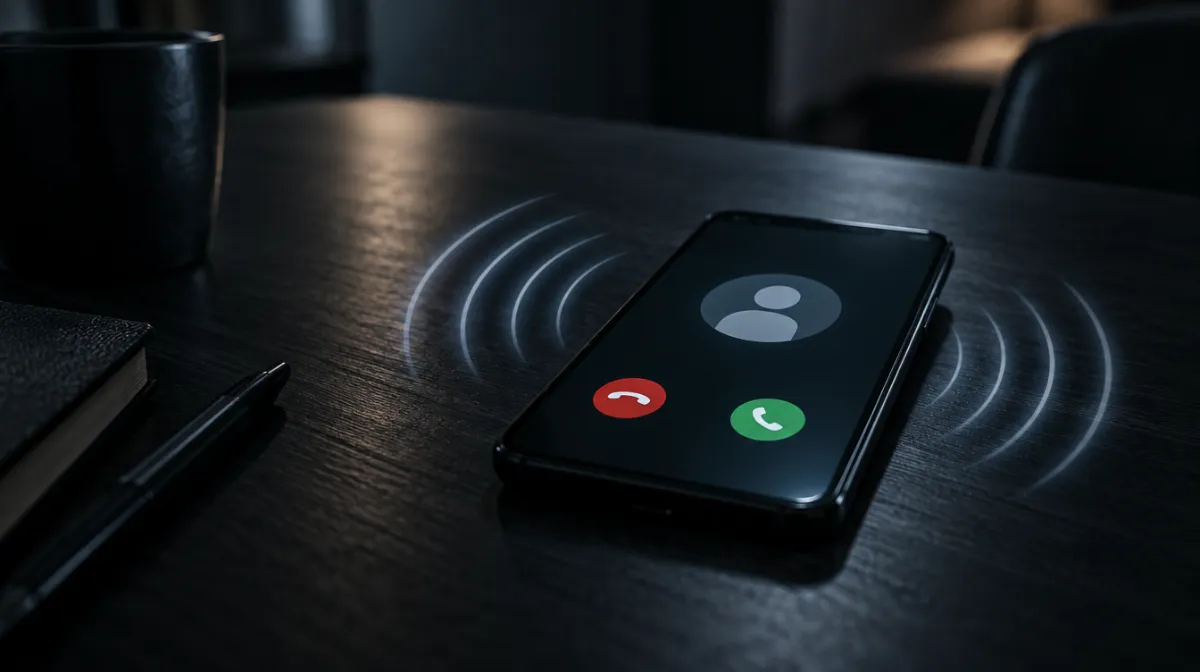
AI can now imitate a person’s voice convincingly from a short recording, sometimes just seconds of audio from a social media video. That has legitimate uses, such as accessibility and dubbing, and a darker one: scams that sound exactly like someone you love.
Voice-cloning models learn the characteristics of a voice, including pitch, tone, accent and rhythm, from sample audio. They can then generate new speech in that voice from any text, or transform one person’s speech into another’s voice in near real time.
These scams rely on panic. The cloned voice is only one part; urgency and secrecy do the rest.
Stop contact and don’t send money. If you’ve paid, contact your bank immediately and report the scam to your national fraud authority. Tell family members so they can be alert.
For image and video fakes, see our guide to spotting AI-generated images, video and voice clones.
Some tools can create a rough clone from seconds of audio; better clones use more. Assume any public recording could be used.
Some use extra checks, but you shouldn’t rely on voice alone. Use your bank’s official app and phone numbers.
Using it to defraud or impersonate someone is illegal in many places. Rules on other uses vary by country.

Every article is edited by a human and checked against our editorial policy. Spotted a mistake? Tell us.
How to spot deepfakes and AI-generated media: visual tells in images and video, signs of voice clones, verification tools and how to protect yourself.
Why AI writing detectors are unreliable, how false positives harm students and writers, what the research says, and better ways to verify authorship.
How AI video generators work, what they can and can’t do, prompt tips for better clips, costs, and the rules on consent, copyright and labelling.